
Introduction
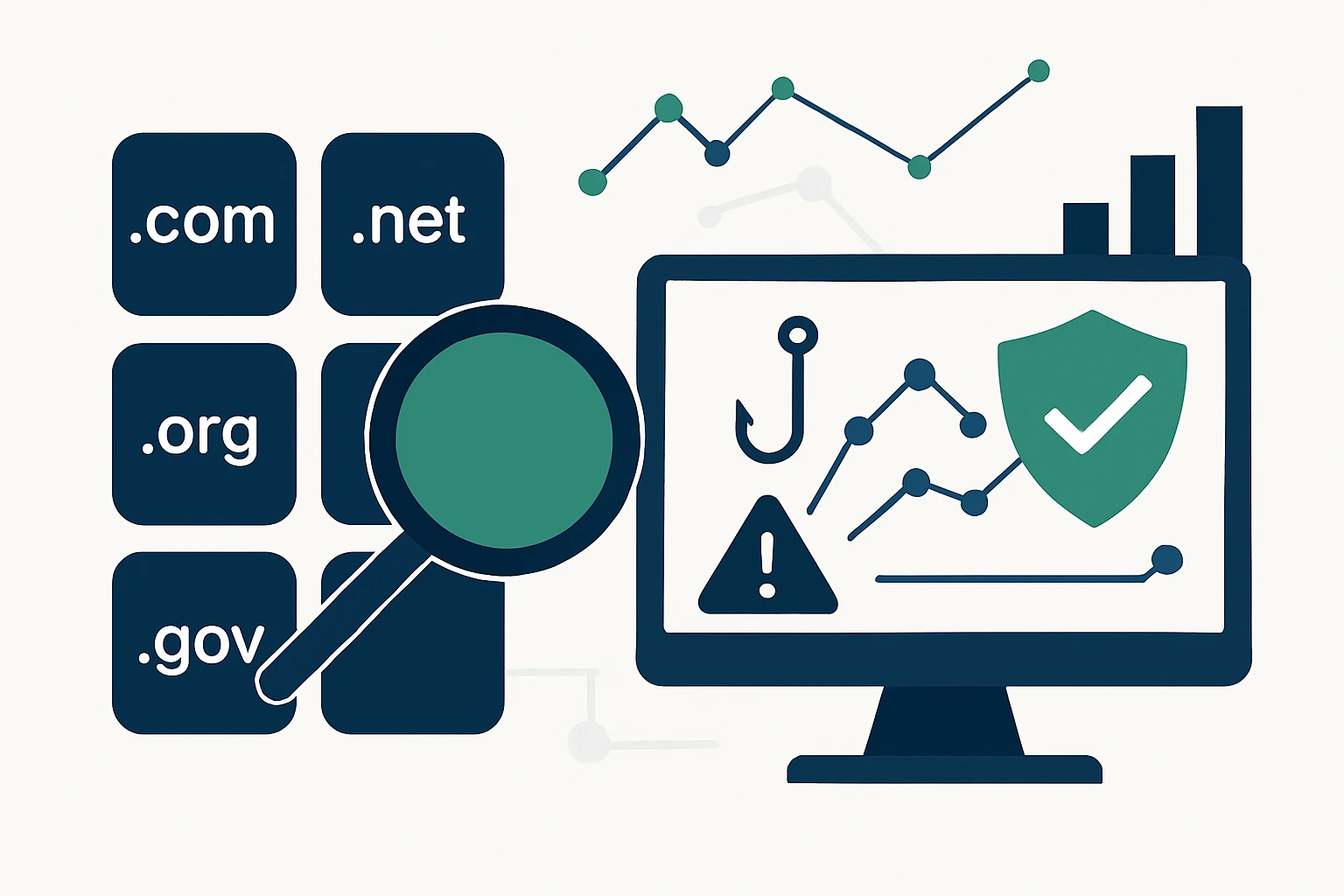
Digital risk intelligence teams face a distinct challenge when it comes to niche top‑level domains (TLDs) such as .icu, .be, and .hu. These TLDs can offer branding flexibility and shorter URLs, but they can also broaden the attack surface for phishing, brand impersonation, and other DNS‑level abuse. For brand protection and fraud‑detection programs, the ability to download and operationalize domain lists for risk monitoring is essential. This article explains why these specific TLDs merit closer attention, how to responsibly obtain and validate lists, and how to integrate them into a broader threat‑intelligence workflow.
Why niche TLDs matter for digital risk intelligence
Niche gTLDs and ccTLDs are increasingly used in legitimate branding scenarios, yet they also become attractive vectors for abuse. ICANN’s analyses of DNS abuse in gTLDs show that phishing, malware, and other DNS‑level threats have persisted across both new and legacy TLDs, with trends that underscore the value of ongoing monitoring across the namespace. In particular, the 2017 Statistical Analysis of DNS Abuse in gTLDs highlighted an upward trajectory in abuse within some new gTLDs, a pattern that regulators and researchers have continued to monitor as the namespace expands. This work laid the groundwork for more mature abuse reporting and monitoring frameworks used by security teams today. ICANN SADAG final report.
More recent disclosures and governance documents emphasize that DNS abuse obligations are becoming tighter for registries and registrars, reinforcing the need for systems that can detect and respond to abuse quickly rather than relying on static lists alone. As organizations expand their domain portfolios into niche TLDs, combining lists with real‑time monitoring and abuse reporting becomes a best practice. DNS abuse obligations for gTLD registries and ongoing governance updates continue to shape how risk teams operate. ICANN compliance dashboards.
For brand protection teams, the practical takeaway is clear: niche TLDs are not inherently risky, but they require disciplined, continuous monitoring and a validated process for handlingdomain‑list data. Vendors in brand protection and threat intelligence fields emphasize that effective monitoring goes beyond mere registrant data - it requires integration with phishing detection, reputation analysis, and incident response workflows. DomainTools Brand Monitor documentation and leading brand protection platforms show how live monitoring of new domain registrations can reveal lookalikes and typos, supporting more proactive defense. Infoblox brand protection solutions.
What the data says about new gTLDs and abuse patterns
Historical analyses remind us that DNS abuse is a moving target. Early reports documented higher abuse in some new gTLDs, though figures evolved over time as registries implemented abuse handling mechanisms and data sharing improved. The 2017 SADAG study remains a foundational reference for understanding the baseline risk associated with expanded namespaces, while subsequent reports and dashboards track ongoing abuse signals and compliance with abuse‑handling obligations. These data sources collectively support the practice of monitoring across TLDs - including ICU, BE, and HU - rather than focusing exclusively on legacy domains. SADAG final report, DNS Abuse trends.
Expert perspective:Security researchers and DNS governance observers consistently note that mitigation is most effective when domain lists are paired with ongoing lookup and reporting workflows (e.g., RDAP/W(h)OIS data, live threat feeds, and abuse reports). This integrated approach reduces false positives and accelerates containment of potentially harmful registrations. DomainTools Monitoring and Infoblox Brand Protection offer practical examples of how to operationalize lists within a broader threat‑intelligence stack.
A practical approach to downloading ICU, BE, and HU domain lists
Downloading domain lists for risk monitoring must be deliberate: not all lists are equally trustworthy, and raw data without validation can create noise that hinders, rather than helps, a security program. The following framework provides a pragmatic path from data to action.
- Define your objective: Decide whether your aim is spotting brand impersonation, typosquatting, or credential‑phishing campaigns tied to specific words. A clear objective guides which lists to download and how to filter them.
- Source responsibly: Seek reputable sources for niche‑TLD lists, including registries, accredited providers, or vendor platforms that maintain curated, regularly refreshed data. For example, official IDX lists by TLDs and trusted distributors can form the basis of risk monitoring. This reduces exposure to low‑quality or miscategorized data.
- Validate and normalize: Normalize domain entries (lowercase, punycode handling), remove obvious invalids, and deduplicate. Validate with secondary datasets (RDAP/WKBOAR data, WHOIS records) to confirm ownership and registration details where possible.
- Filter for relevance: Apply filters that reflect your brand and risk profile - exclude benign registrations (e.g., organizational names fully unrelated to your brand) and keep those that pose impersonation risk or phishing potential.
- Automate integration: Feed validated lists into a risk‑monitoring tool or security orchestration platform, and set automated alerts for new registrations that resemble your brand terms or common misspellings.
- Refresh cadence: Schedule regular updates (weekly or monthly) and incorporate real‑time abuse signals from threat feeds. DNS abuse dashboards and CZDS zone data can help inform how often to refresh and re‑evaluate lists. ICANN abuse obligations.
A practical framework for evaluating and using niche‑TLD domain lists
| Step | What to verify | Expected outcome |
|---|---|---|
| Define objective | Clear goal (brand impersonation, typosquatting, phishing indicators) | Targeted, actionable list strategy |
| Source selection | Reputable providers or registries, avoid questionable aggregators | Higher data quality and trustworthiness |
| Data validation | Standardize format, deduplicate, validate against RDAP/WHOIS | Cleaner, more reliable list |
| Filtering & enrichment | Apply risk filters, enrich with brand terms and known adversaries | Sharper signal with fewer false positives |
| Operational integration | Connect to risk monitoring or threat‑intel workflows | Automatic alerts and rapid response capability |
| Refresh cadence | Set frequency based on observed abuse rates and resource capacity | Timely visibility into new registrations |
Integrating ICU/BE/HU lists into a broader risk program
Downloading lists is only one component of a mature risk program. The most effective defense combines:
- Continuous brand monitoring (watching new registrations that resemble your brand terms) and lookalike detection
- DNS abuse monitoring, including phishing domain detection and repoorting mechanisms
- Threat intelligence feeds that correlate new registrations with known attacker infrastructure
- Incident response playbooks to rapidly sinkhole or suspend suspicious domains
For organizations seeking a comprehensive solution, a platform that can ingest niche‑TLD lists, correlate them with real‑time abuse signals, and provide structured remediation guidance is critical. NetzReporter’s digital risk intelligence platform is designed to operate as part of this ecosystem, complementing raw domain lists with interpretive analytics and incident response workflows. See ICU domain offerings and the broader List of domains by TLDs for reference, and the RDAP & WHOIS Database for authoritative registration data.
Limitations, trade‑offs, and common mistakes
Any approach based on domain lists has inherent limitations. Absent real‑time abuse signals and active remediation, lists can generate false positives or miss fast‑moving campaigns. Other caveats include:
- Lists may lag behind new registrations or domain suspensions, creating blind spots.
- Some niche TLDs see legitimate usage that looks like risk on first glance, careful contextual analysis is essential.
- Overreliance on static lists without cross‑correlation to phishing content, hosting, and infrastructure can lead to misprioritization.
- Cost and complexity of maintaining up‑to‑date data can be nontrivial, especially when combining multiple data sources.
Expert guidance from DNS abuse researchers encourages pairing lists with real‑time reporting and centralized risk dashboards to minimize noise and accelerate response. This integrated approach is a core principle behind modern digital risk programs. ICANN SADAG.
Conclusion
Niche TLDs like .icu, .be, and .hu present meaningful brand opportunities and, if mismanaged, meaningful risk. By combining responsibly sourced lists with validated workflows, real‑time abuse signals, and strong incident response, organizations can extend their brand protection into the broader, dynamic DNS space. The process begins with a deliberate download strategy for ICU/BE/HU domain lists, but it must be reinforced by ongoing monitoring and governance to keep pace with a changing threat landscape. For teams that want an integrated solution, NetzReporter’s platform can help bridge raw data with actionable risk insight and rapid remediation. Explore ICU lists, the broader TLD index, and the RDAP/WKBOIS database to operationalize your approach today: ICU domain offerings, List of domains by TLDs, RDAP & WHOIS Database.