Domain Lists for Digital Risk Intelligence: .ar, .blog, and .mobi for Brand Protection
Every brand faces risk online - from typosquatting to phishing campaigns that leverage domain names designed to resemble legitimate brands. A robust digital risk intelligence program uses domain lists to illuminate this threat surface, but the value hinges on where the data comes from, how fresh it is, and how it is integrated into security workflows. This article explains what downloadable domain lists can - and cannot - deliver, with a practical framework for using data about .ar, .blog, and .mobi domains to protect brands and customers.
Understanding the data landscape for domain intelligence
Domain intelligence relies on two broad data streams: (1) zone data, which reflects the DNS configuration for active domains, and (2) registration-level data, which describes who registered a domain and when. Zone data is most commonly accessed through the Centralized Zone Data Service (CZDS) and related registry channels for generic top-level domains (gTLDs). The CZDS portal provides a consolidated way to request bulk access to zone files from participating gTLDs, which can be a backbone for large-scale domain monitoring. CZDS and zone files explain how this data is organized and how researchers and brands can request access.
While zone files are powerful for breadth, they tell you which domains exist in a given zone at the moment of the latest update, not necessarily when or how those domains are being used. For registration-level context - ownership, contact data, status - RDAP and WHOIS become essential, especially when evaluating potential impersonation or brand abuse. In practice, registry operators provide bulk zone data to permitted users, complementing other data sources in a risk program. CZDS and zone files provide the framework for access.
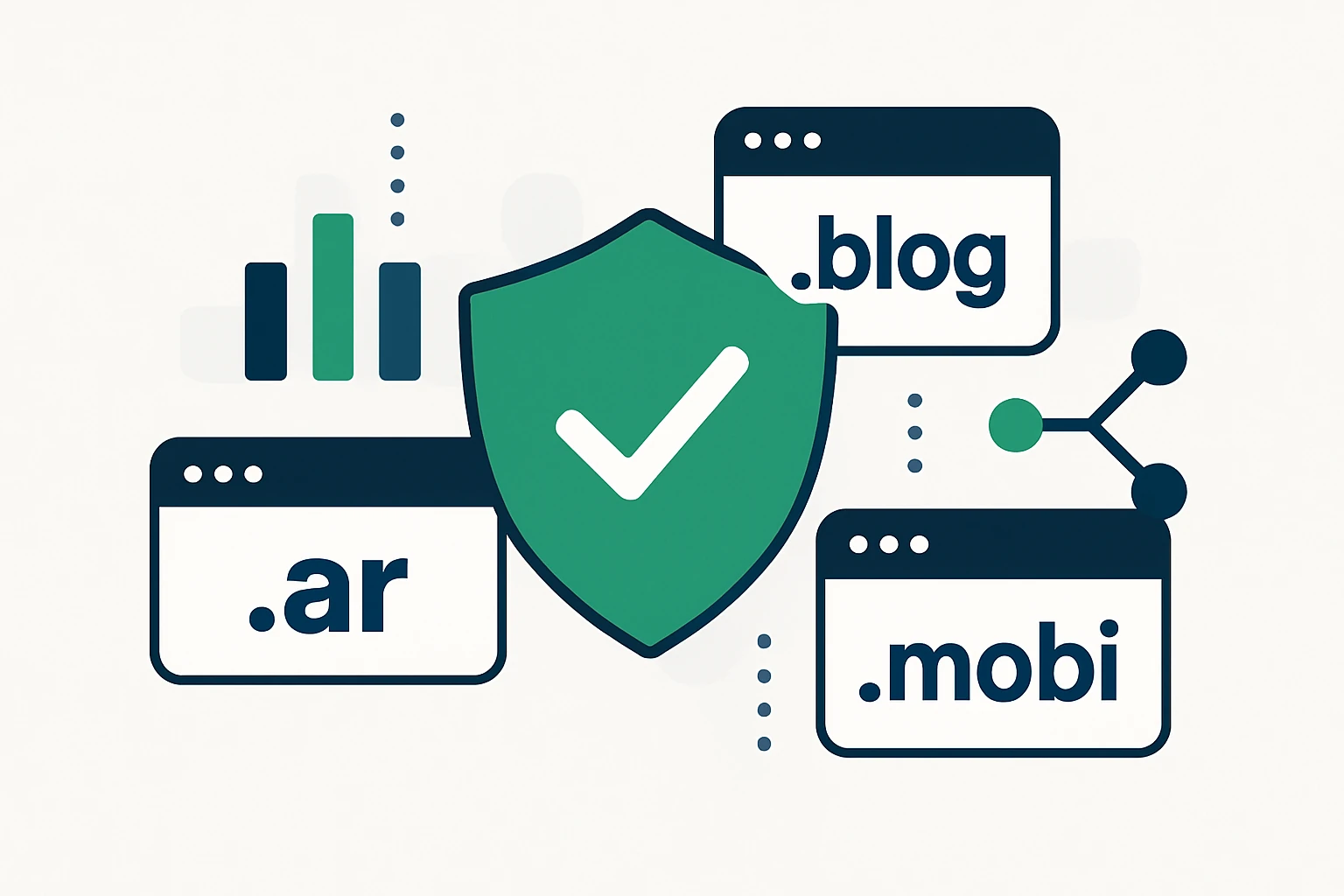
What about .ar, .blog, and .mobi? a reality check
Not all top-level domains are equally accessible in bulk. Generic TLDs (gTLDs) in CZDS are the standard route for many organizations, but ccTLDs (country-code TLDs) typically require registry-level arrangements or direct negotiation to obtain full zone data. If your goal is to assemble comprehensive lists for security workflows, you may need to combine official zone data with vendor datasets or registry-friendly access models. For example, there are dedicated datasets and services that publish lists of domains by newer or niche TLDs, including specific domains under .mobi and .blog, though you should verify licensing and terms of use. A number of providers publish zone-style lists for niche TLDs, such as .mobi, via public or paid feeds. zonefiles.io hosts downloadable .mobi domain lists, illustrating how market data suppliers package zone-like data for security teams. NetAPI also maintains datasets around a variety of newer TLDs, including .blog, for research and security purposes.
A practical framework for using domain lists in risk intelligence
To turn raw domain lists into actionable risk signals, teams should follow a disciplined workflow. The framework below is designed to be adaptable to different data sources (zone files, RDAP/WHOIS, and commercial datasets) and to fit into common incident response pipelines.
- 1. Define data sources and licensing. Establish which data feeds you will use (zone files for broad visibility, registration data for ownership, and any vendor-provided lists). Confirm the licensing terms, update frequency, and whether you may re-distribute or re-sell derived datasets.
- 2. Assess timeliness and scope. Zone data is typically updated on a daily cadence, but some TLDs have longer cycles or restrictions. RDAP/WHOIS records reveal recent registrations or changes that may be abuse indicators. Align data timeliness with your risk appetite and incident response SLAs.
- 3. Normalize and deduplicate. Merge data from multiple sources, standardize domain formats, and remove duplicates. Normalize status fields (active, parked, redirected, etc.) to support consistent scoring.
- 4. Map to risk signals. Build simple risk signals (e.g., newly registered domains matching your brand terms, typosquatting candidates, and domains hosting phishing content) and assign weights based on data quality and recency.
- 5. Automate alerting and enrichment. Push high-risk domains to security workflows, and enrich with WHOIS metadata, DNS records, and hosting information to accelerate triage.
- 6. Review and refine. Periodically audit false positives, update detection rules, and adjust data sources as the threat landscape evolves.
Expert insight: In practice, security teams increasingly favor a hybrid approach that combines zone-file baselines with live DNS monitoring and registration-level intelligence. This layered view helps capture newly registered domains that could be used for impersonation while maintaining visibility into longstanding assets. This framing aligns with how leading risk programs combine data sources to balance breadth and depth. CZDS and zone-file access.
Limitations and common mistakes
While downloadable domain lists are valuable, they are not a silver bullet. The following limitations and mistakes are common and worth avoiding:
- Overreliance on zone files. Zone data shows active domains but misses newly registered domains until the next update. Rely on RDAP/WHOIS and live DNS monitoring to fill gaps.
- Ignoring privacy and data-use restrictions. Some registries restrict how lists can be used or shared. Always verify licensing terms before distribution or embedding data into products.
- Assuming completeness for niche TLDs. Not all TLDs publish zone files publicly, and some lists may be incomplete or lag behind real-world use. Combine multiple data sources when possible.
- Misinterpreting domain status. A domain in a zone file may be suspended or parked, this does not automatically indicate malicious activity. Use additional context from hosting, DNS records, and certificate data.
- Data hygiene risk. Poor deduplication and inconsistent formatting create false positives. Invest in data quality checks and normalization routines.
Putting data into practice: partnering with data providers
For teams building risk workflows, data partnerships can help supply the right mix of breadth and depth. Public zone data through CZDS is powerful for broad coverage of gTLDs, while vendor datasets can offer curated lists for niche TLDs or for easier integration into security tooling. When evaluating partnerships, consider the following:
Look for data that integrates with your security stack, supports automated enrichment, and provides clear licensing terms. The aim is to complement internal monitoring with external signals without compromising data governance or user privacy. WebAtla’s offerings include a RDAP & WHOIS database and a catalog of domains by TLDs, which can help security teams map a project to concrete data assets and sources. See the RDAP & WHOIS Database here and browse the TLD catalog here. RDAP & WHOIS Database • ar domains dataset • List of domains by TLDs.
Conclusion
Domain lists are a foundational tool in digital risk intelligence, especially when used as part of a layered risk program. They enable brand teams to detect early signs of impersonation, to monitor the threat landscape across multiple TLDs, and to accelerate incident response when abuse is suspected. The practical takeaway is simple: treat lists as data inputs - validate licensing, ensure data quality, and tie results to concrete risk signals that matter for your brand and your customers.