Introduction
In a digital risk landscape where brand abuse and credential phishing continue to evolve, threat intelligence teams need signals that extend beyond the brand itself. Phishing activity remains high, with attackers adapting to new surfaces and technologies. The Anti-Phishing Working Group (APWG) has documented persistent phishing volumes and the ongoing shift toward impersonation and brand abuse across channels, underscoring the need for signals that cut across domains and surfaces. APWG Phishing Activity Trends summarize these trends and their defensive implications for security programs.
Why niche TLD lists matter in digital risk intelligence
Most defenders concentrate on monitoring widely used top-level domains, but attackers frequently experiment with less-common TLDs to host phishing pages, typosquatted brands, or spoofed landing sites. Niche TLD lists can act as early-warning signals: a new impersonation site may emerge first under a non-standard TLD before its infrastructure stabilizes elsewhere. Framing niche TLD data as a signal layer allows security operations to catch subtle, early indicators of brand-targeting campaigns and to prioritize investigation before a broader impact occurs.
To operationalize this signal, teams increasingly rely on threat-intelligence feeds that provide real-time or near-real-time domain data. A leading threat-intelligence provider emphasizes the utility of domain-discovery feeds that capture hundreds of thousands of new domains daily, with options to filter by TLD to focus resources where risk is strongest. DomainTools Domain Discovery Feed exemplifies how enrichment and risk-scoring can scale with large domain volumes, enabling security teams to keep pace with fast-moving threat landscapes.
From a governance perspective, the transition from WHOIS to Registration Data Access Protocol (RDAP) reshapes how teams access ownership and registration data in automated workflows. ICANN’s RDAP guidance explains the migration path and its implications for automated enrichment and verification of domain indicators. RDAP Technical Implementation Guide provides the details for implementing machine-readable registration data in security tooling.
Sourcing niche TLD lists: opportunities and caveats
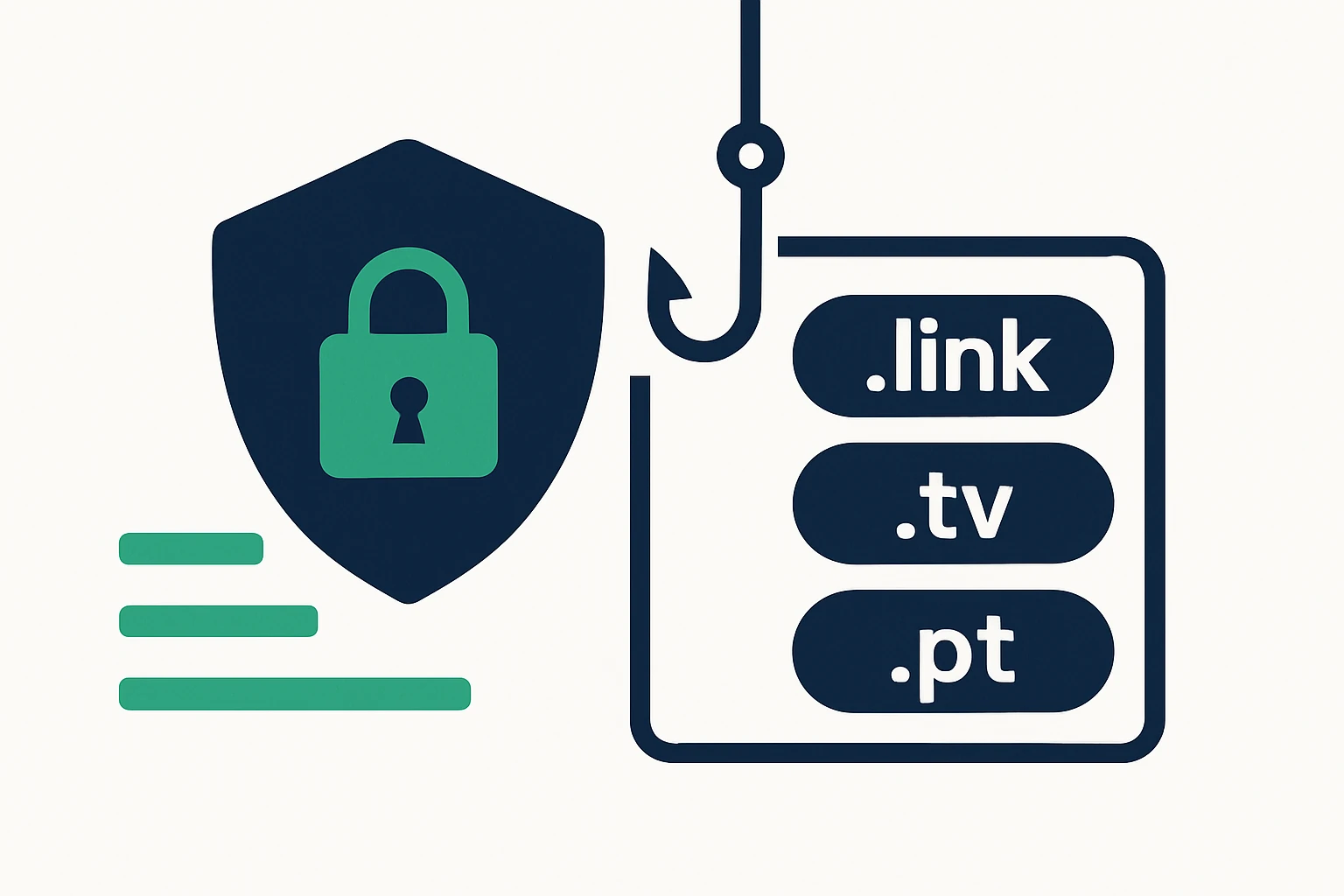
For teams seeking concrete lists, common requests include phrases such as download list of .link domains, download list of .tv domains, and download list of .pt domains. Niche lists are typically part of broader data feeds that can be filtered by TLD, enabling analysts to concentrate on the most relevant signals. In practice, these lists are most effective when paired with additional indicators (IP addresses, hosting providers, page content) to separate malicious activity from legitimate registrations. A practical data pipeline can filter indicators by TLD such as .link, .tv, and .pt, helping teams prioritize investigations without overwhelming analysts.
To ground this approach in real data, consider the domain-discovery feed discussed above, which can deliver large volumes of domain signals and can be filtered by TLD to support targeted risk assessments. DomainTools Domain Discovery Feed demonstrates how risk scoring and enrichment can scale with the volume of new domains observed each day.
Additionally, access to registration data is increasingly standardized through RDAP. ICANN’s RDAP guide outlines the transition away from legacy WHOIS and how RDAP supports machine-to-machine lookups, enabling automated validation of domain indicators within security workflows. RDAP Technical Implementation Guide provides the technical blueprint for integrating RDAP results into threat intelligence pipelines.
A practical workflow for leveraging niche TLD lists
The following practical framework is designed to slot into existing brand-protection and security operations programs. It treats niche TLD signals as a focused layer within a broader threat-intelligence architecture rather than a stand-alone solution.
Framework: Five-step workflow for niche TLD domain intelligence
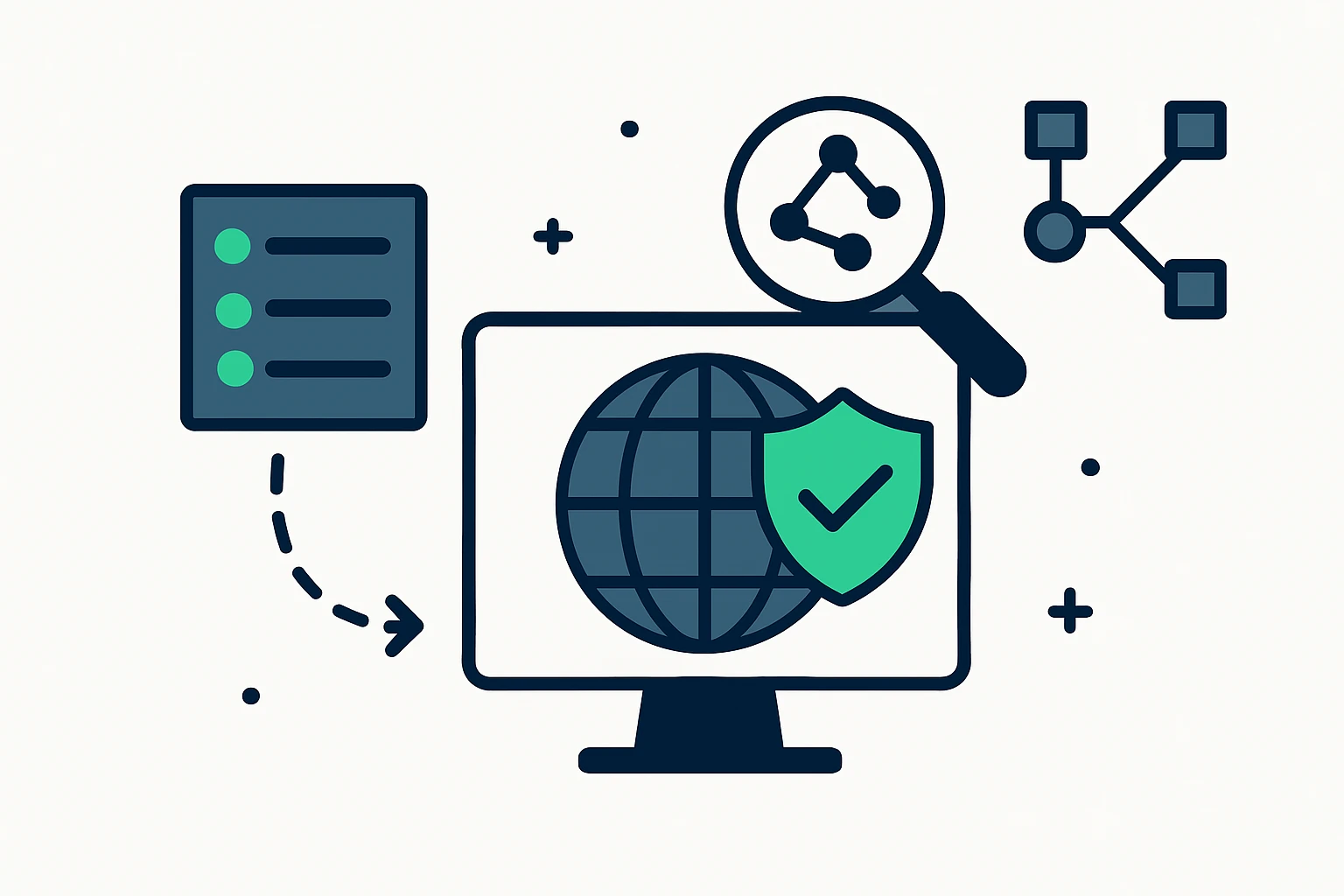
- Step 1 - Ingest and normalize: collect niche TLD domain lists (for example .link, .tv, .pt) together with standard threat feeds, apply consistent normalization to labels, registrars, DNS data, and metadata. Normalize date stamps, registrant patterns, and clustering signals to enable reliable triage.
- Step 2 - Enrich with ownership data: enrich indicators with RDAP/WHOIS data to establish registrant identities and hosting infrastructure, this is essential for distinguishing brand-adjacent registrations from opportunistic typosquats. See the RDAP guidance above for how this data is accessed.
- Step 3 - Score risk and brand relevance: apply a risk rubric that weighs factors such as domain age, registrar reputation, hosting location, and similarity to your brand, risk scoring helps prioritize alerts and containment actions. Domain-discovery feeds illustrate how enrichment can drive scalable prioritization of signals.
- Step 4 - Monitor and alert: set up continuous monitoring across the monitored TLDs and trigger alerts when signals cross defined risk thresholds. Integrate with your existing security operations and brand-protection workflows to ensure rapid triage.
- Step 5 - Respond and remediate: triage signals, validate legitimacy, and coordinate takedowns or notifications as appropriate, ensure alignment with legal and regulatory requirements when actions are taken. Integrate this workflow with incident response playbooks for faster containment.
In practice, this framework yields better outcomes when it sits inside a broader threat-intelligence program that includes multi-channel monitoring and governance. The phishing landscape continues to evolve toward multi-channel impersonation and credential theft, which underscores the value of signals that cross domain signals with email, social media, and other brand touchpoints. APWG’s ongoing work emphasizes how cross-channel signals shape defense strategies. APWG Phishing Activity Trends.
Limitations and common mistakes
- Relying on niche TLD lists in isolation will produce noise, not every new domain in a niche TLD is malicious, and attackers may pivot to other TLDs or methods.
- Data quality and timeliness vary across feeds, ensure enrichment processes include RDAP/WHOIS data to validate indicators and avoid false positives.
- Coverage gaps exist for some TLDs and registries, plan for strategic fallback signals and manual review where data is incomplete.
- Over-automation without triage can overwhelm security teams, implement clear prioritization criteria and ensure human-in-the-loop review for high-risk indicators.
Expert insight
Industry practice increasingly treats domain intelligence as one part of a holistic risk-picture. The most effective protection programs integrate domain signals with other threat indicators and governance processes so that signals translate into timely risk-reduction actions. This perspective aligns with APWG’s emphasis on evolving phishing threats and the need for continuous, multi-channel brand protection practices. APWG Phishing Activity Trends.
Conclusion
Niche TLD domain lists are not a silver bullet, but they are a practical signal layer for digital risk intelligence. When combined with robust enrichment (RDAP/WHOIS), a disciplined risk-scoring framework, and cross-channel monitoring, these lists help organizations detect and contain threats at their earliest stages. Integrate niche-TLD signals into your existing threat-intelligence workflow and leverage standards-based data to keep pace with evolving phishing tactics and brand abuse. For teams seeking a ready-to-use solution, NetzReporter offers phishing detection and brand-protection capabilities that can ingest and operationalize niche-TLD signals as part of a broader risk strategy. NetzReporter is one example of such a platform, you can also explore broader data sources via domain lists by TLD and RDAP & WHOIS database for additional data sources.