Introduction: The risk is evolving faster than traditional security teams can react
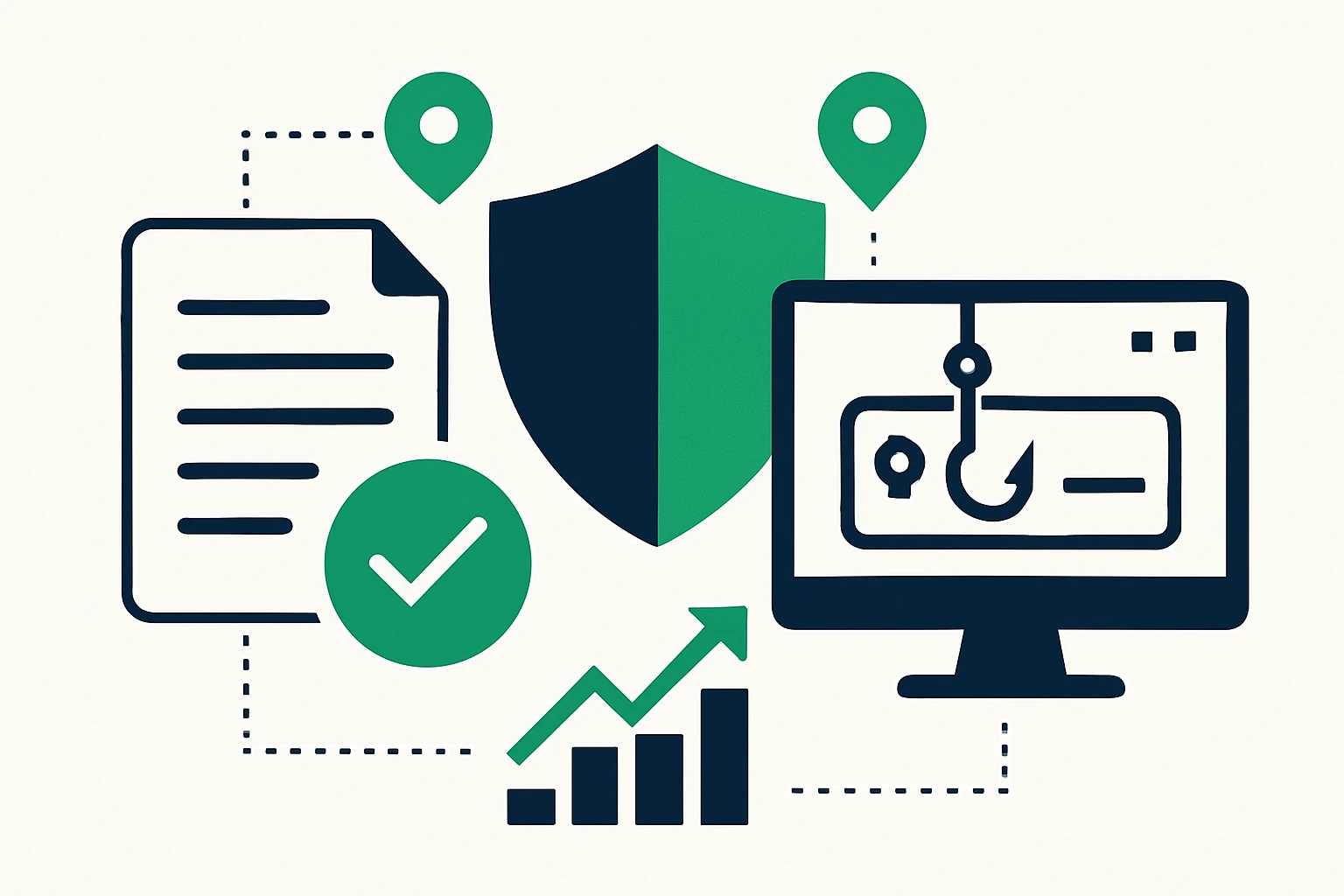
Brand damage now frequently begins with a deceptively similar domain, a lookalike brand name, or a phishing page that impersonates a trusted vendor. Digital risk intelligence collects and analyzes signals from domain registrations, DNS data, and web content to expose these threats before customers are exposed. Industry leaders emphasize that this approach is essential to reduce both financial loss and reputational harm. For example, DNS intelligence can help prevent phishing and brand impersonation, according to Infoblox Brand Protection.
What is digital risk intelligence and why it matters
Digital risk intelligence is a structured approach to collecting, enriching, and acting on signals across the online domain and brand ecosystem. It goes beyond reactive incident response by surfacing risk indicators - such as typosquatted domains, domain registrations tied to phishing campaigns, and credential exposure - in near real time. Vendors like Brand Intelligence describe this capability as real-time monitoring across open, closed, and dark web to detect brand threats before they impact the business.
Building a domain-first threat intel feed: a practical 4-step workflow
- Map your critical assets and risk scenarios: Identify the brands, products, and campaigns that would cause the most damage if impersonated or phished. Align monitoring to those assets and define acceptable false-positive rates.
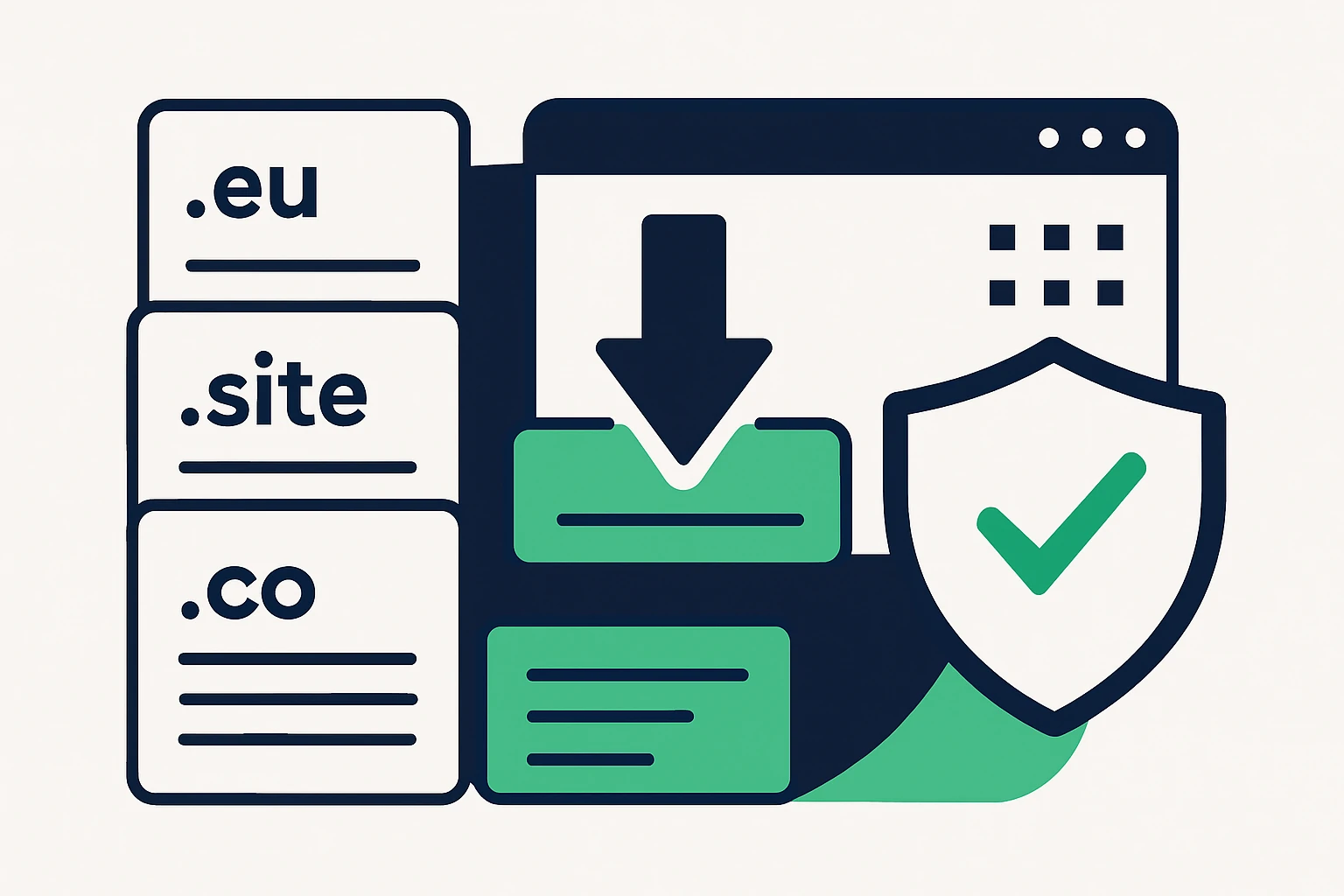
- Ingest domain signals from curated lists: Start with domain feeds that cover a broad range of TLDs. For direct access, you can browse download list of .us domains and download list of domains by TLDs.
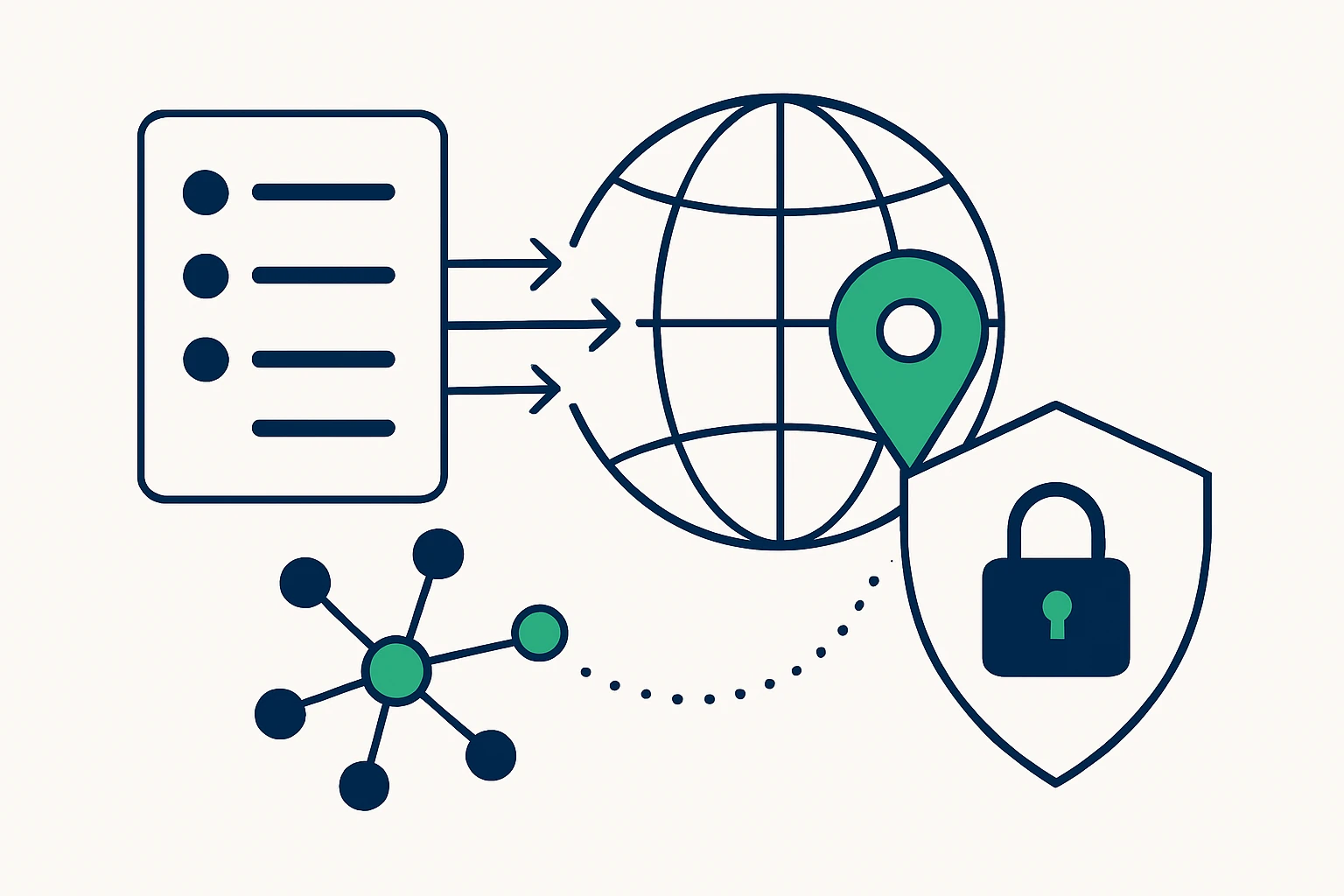
- Enrich signals with DNS, WHOIS, and hosting context: Enrichment adds information such as who registered a domain, where it is hosted, and whether the domain is currently active in abuse feeds. For technical data and records, consult your RDAP & WHOIS data sources: RDAP & WHOIS Database.
- Act: alerts, takedowns, and incident response: When indicators cross your risk thresholds, trigger alerts to the right teams, coordinate takedowns where lawful, and integrate signals into your security workflows. Brand-protection platforms increasingly automate these steps, reducing time-to-protection. See related capabilities from leading vendors: Infoblox Brand Protection • Fortra Brand Protection – Domain Monitoring.
Practical integration: making domain intelligence actionable
Domain lists, such as downloadable .us domains or broader tld lists, are just the starting point. A robust program couples these feeds with continuous monitoring and a clear action plan. The RDAP & WHOIS database and DNS context help distinguish legitimate registrations from malicious ones, enabling more accurate decision making. You can access these assets via the .us domain list, the general TLD list, and the RDAP & WHOIS database. For further depth, see brand-protection and domain-monitoring capabilities described by major vendors. Brand Intelligence.
Expert insight
Industry analysts emphasize that domain-focused signals are often the earliest warning signs of evolving phishing campaigns and brand abuse. A rigorous domain-intelligence program - paired with phishing protection services - can dramatically shorten the window between detection and remediation.
Limitations and common mistakes
- Over-reliance on automated takedowns without legal review can lead to legitimate domains being suspended or blocked.
- Too many false positives can erode security teams’ trust in alerting, invest in human-in-the-loop validation and precise enrichment.
- Failing to align with broader security workflows (SIEM, SOAR, incident response) reduces the effectiveness of domain intelligence.
- Neglecting dark web and social channels can leave blind spots in brand risk monitoring.
Quantifying risk: a simple scoring model
A practical approach to turn vast domain signals into actionable risk is to use a lightweight scoring framework. Consider a 5-factor model that weighs:
- Domain similarity to core brands (typosquatting risk)
- Registration recency (recent registrations may signal opportunistic abuse)
- Hosting reputation and infrastructure (abuse history, fast takedown risk)
- Correlated phishing signals (presence in known phishing feeds, credential-stuffing campaigns)
- Brand relevance (product or campaign alignment)
By assigning a numerical score to each factor and aggregating them, security teams can classify indicators as watchlist, watchful, or urgent. This approach helps avoid alert fatigue and guides escalation decisions, while remaining adaptable as threat landscapes shift.
Choosing the right approach: build vs. buy and integration considerations
Organizations face a core decision: construct a bespoke threat-intelligence workflow with internal tools, or adopt a purpose-built platform. A hybrid path - combining curated domain feeds with a scalable risk engine - often yields the best balance of speed and control. Brand protection and domain-monitoring vendors offer playbooks, automation, and integration hooks that reduce time-to-protection and improve accuracy. See how leading providers frame these capabilities in practice: Infoblox Brand Protection, Fortra Brand Protection – Domain Monitoring, and Brand Intelligence.
A practical case study: mid-market brand facing rising impersonation risks
Consider a mid-market consumer brand with a modest security team. By implementing a domain-first risk workflow that ingests a core set of domain lists (starting with .us and expanding to other TLDs), they gain near-term visibility into typosquats and lookalike domains. Enrichment via RDAP and WHOIS data clarifies which registrations are legitimate and which warrant takedown. Alerts are routed to the security operations center (SOC) and a legal-review queue for potential takedown actions. The result is a measurable reduction in phishing clicks reported by customers and a faster, safer response to emerging threats. The approach aligns with vendor guidance on domain monitoring and brand protection, as described by Infoblox and Fortra, and is reinforced by the broader perspective of brand-intelligence platforms like Recorded Future.
Conclusion
Digital risk intelligence offers a practical, scalable approach to protecting brands in a complex domain ecosystem. By combining curated domain signals, rich context, and integrated workflows, security and brand teams can stay ahead of impersonation and phishing threats while maintaining a smooth customer experience. For organizations seeking hands-on access to domain signals, the WebAtla platform provides structured domain lists by TLDs and a comprehensive RDAP & WHOIS database to support your monitoring program.