Phishing campaigns and brand impersonation continue to dominate the cyber threat landscape. In 2024, the FBI’s Internet Crime Complaint Center (IC3) identified phishing/spoofing among the top categories of reported cybercrime, with billions in losses across many sectors. This trend persisted into 2024 and into 2025, underscoring the need for proactive domain risk intelligence as a core component of brand protection and incident response. For organizations, simply relying on reactive measures is no longer enough, you need structured data and repeatable workflows to detect and disrupt domain-based abuse before it harms users or reputations. Source: FBI IC3 2024 Annual Report (dd80b675424c132b90b3-e48385e382d2e5d17821a5e1d8e4c86b.ssl.cf1.rackcdn.com)
Beyond traditional security tooling, adversaries increasingly leverage new and slightly altered domains to lure victims in phishing and credential-stealing schemes. Anti-phishing researchers and industry researchers have documented persistent use of typosquatted, combosquatted, and other deceptive domains. In early 2024, APWG highlighted ongoing phishing activity and rising reports across multiple threat feeds, signaling that attackers are still focusing on domain-based deception as a core tactic. Organizations that adopt proactive domain monitoring can close gaps in their defense by adding external signals to their security stack. Source: APWG Phishing Activity Trends (apwg.org)
The European Union Agency for Cybersecurity (ENISA) also emphasizes that phishing remains a persistent risk and a dominant vector for credential theft and fraud, calling for stronger coordination between registries, security teams, and brand owners. When you connect domain intelligence to brand protection workflows, you create a more complete view of the attack surface - covering registered domains, subdomains, and related brand terms that may be exploited for fraud. Source: ENISA Threat Landscape 2024 (dcod.ch)
Why downloadable domain lists matter for digital risk intelligence
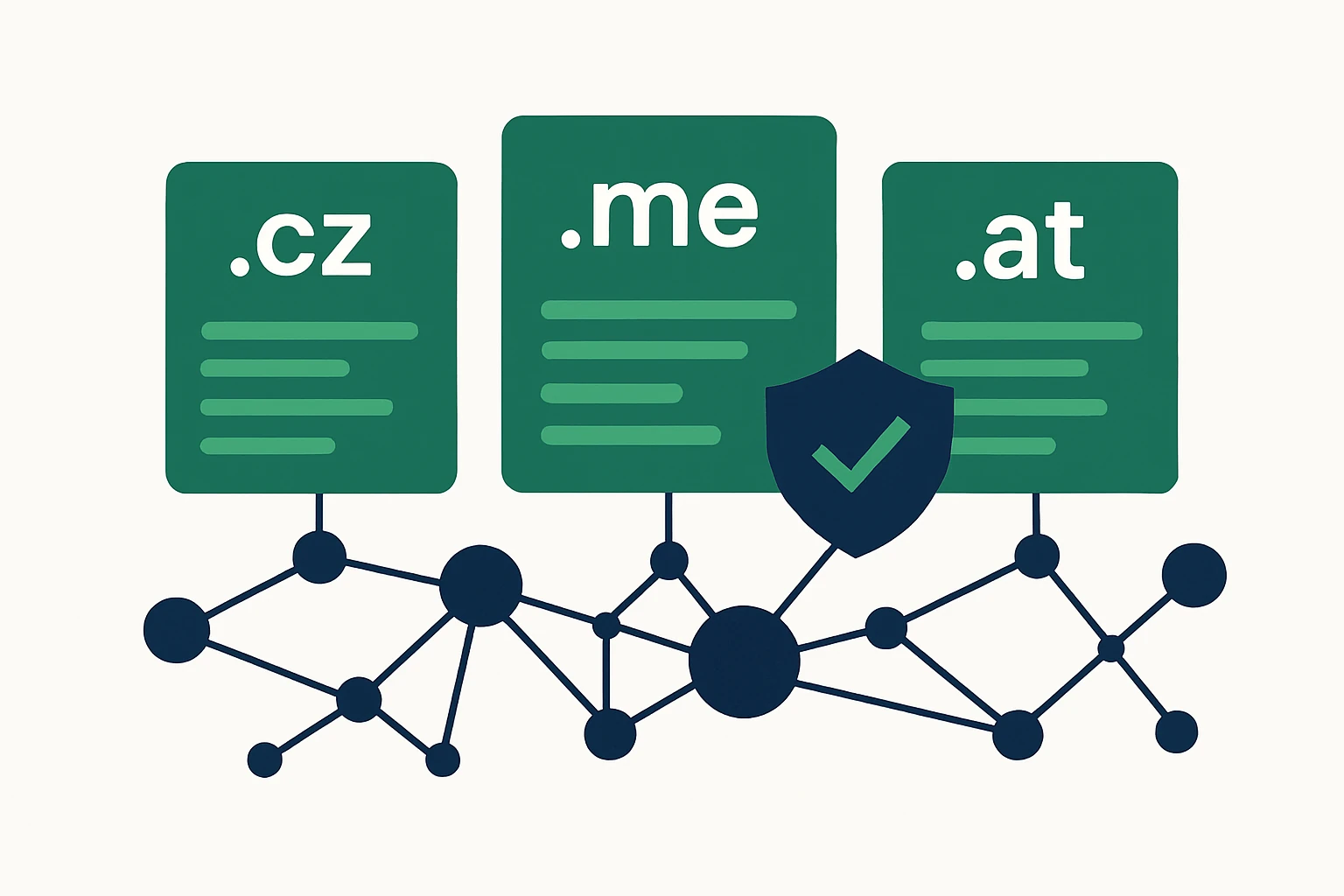
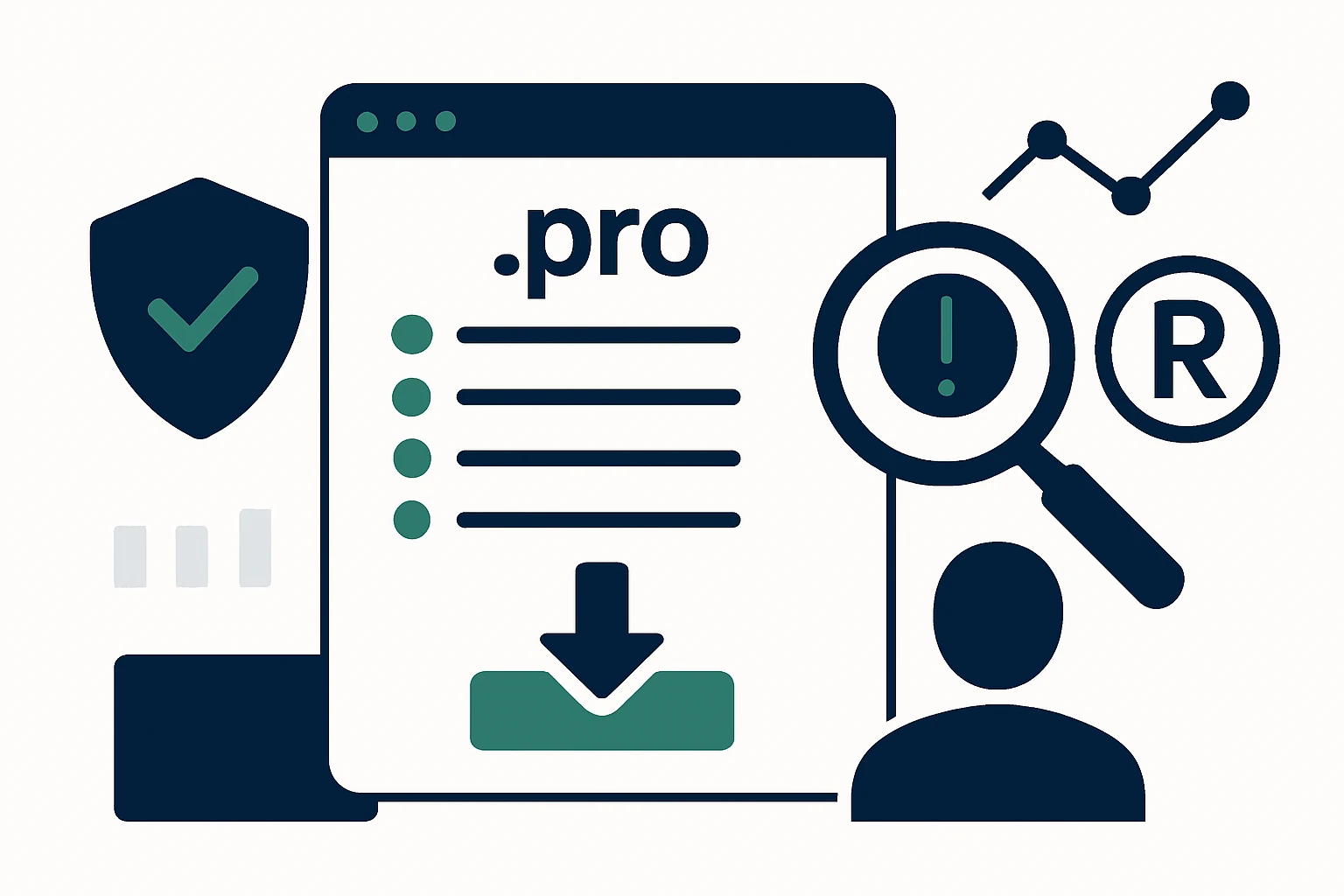
Downloadable lists of domains by TLDs, such as .pro, .biz, and .dk, can serve as seed data for multiple use cases in risk intelligence. They help security operations teams:
- Seed monitoring pipelines with known domain patterns that resemble your brand or risk profile.
- Kick off proactive brand protection efforts by cataloging legitimate, suspicious, and potential typosquatted variants for tighter governance.
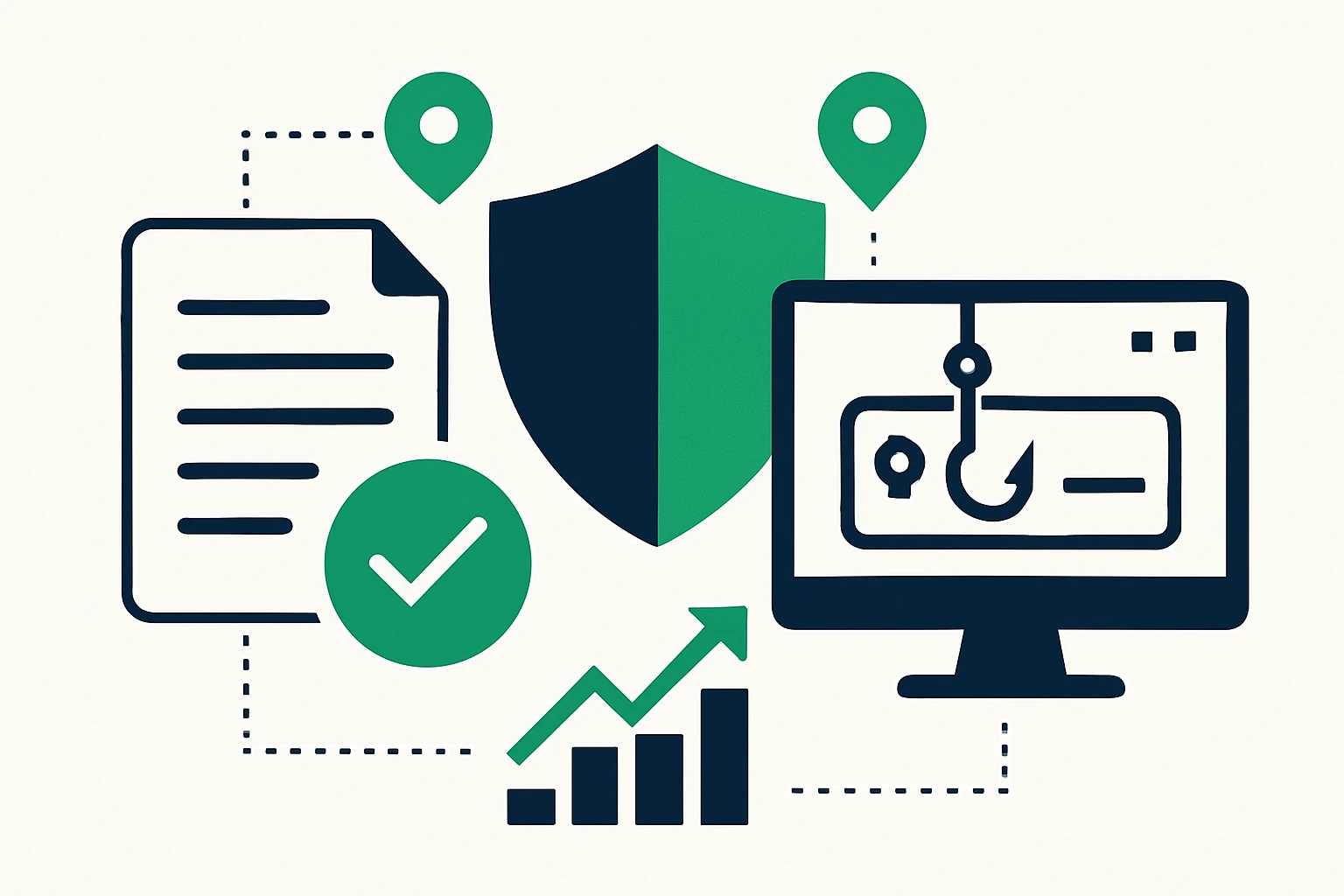
- Support phishing protection services by feeding correlation engines that surface suspicious registrations likely to be used in credential theft or brand impersonation campaigns.
While lists are valuable, they are most effective when combined with enrichment and context - something that our industry commonly does with domain intelligence feeds and registrant data. For teams that need robust enrichment, combining a baseline list with authoritative data sources enables more accurate risk scoring and faster decision-making. Note that not every new domain is malicious, the challenge is distinguishing intent and likelihood of abuse, which requires both historical patterns and current registration data. APWG and ENISA guidance support the idea that domain-based risk requires a mix of signals and context. (apwg.org)
How to operationalize downloadable domain lists: a practical workflow
Below is a practical workflow designed for security teams building or enhancing threat intelligence programs. It is deliberately framework-driven and adaptable to different scales and risk appetites.
- Step 1 - Establish a baseline with curated TLD lists
Start with core TLDs relevant to your brand footprint and market exposure. For example, you might download domain lists for .pro, .biz, and .dk to monitor domains that could be used for fraud or impersonation in key regions or sectors. Use these lists as a baseline to compare against newly registered domains and to identify typosquatting or permutation patterns that resemble your brand. - Step 2 - Enrich with registrant and hosting context
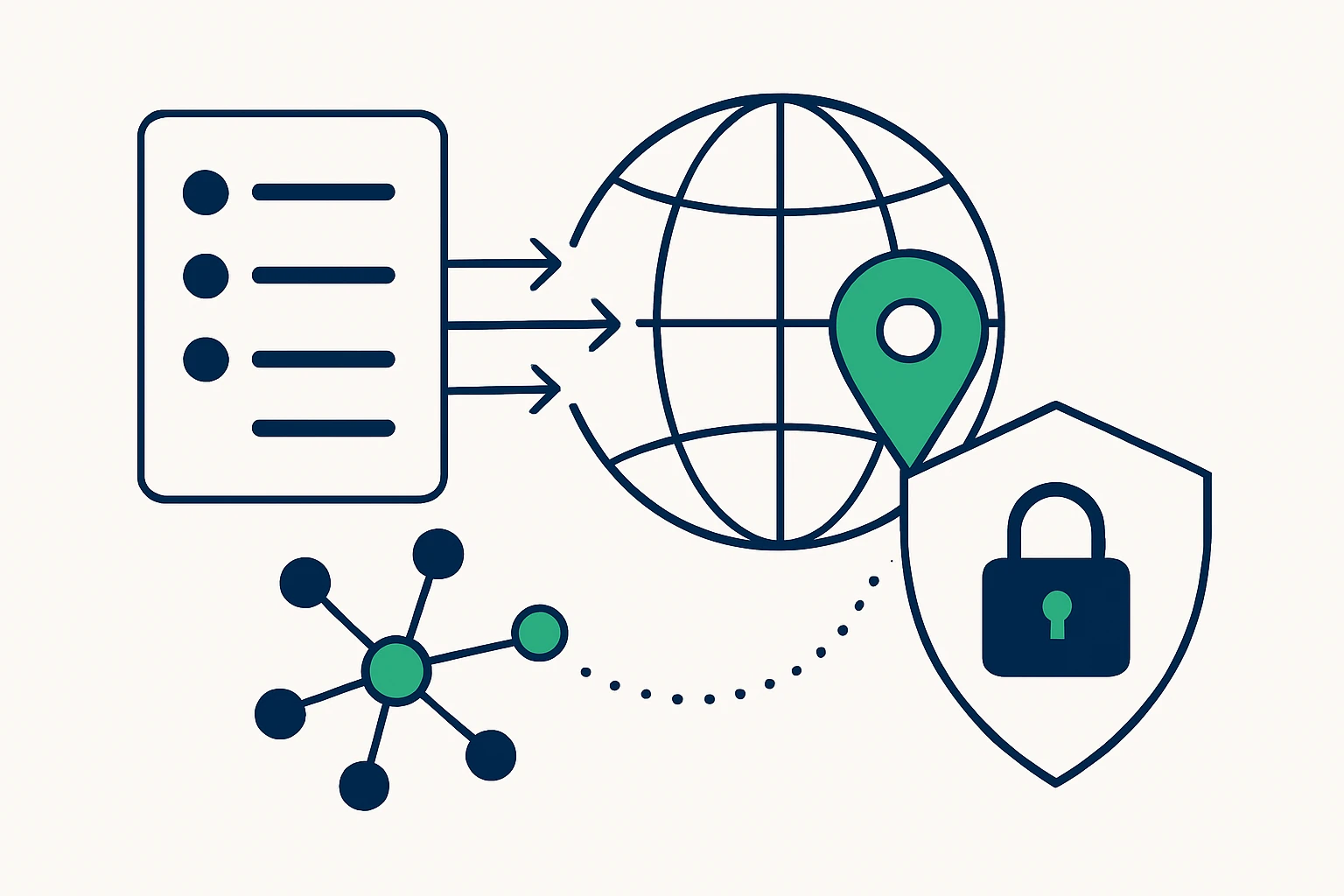
Layer in RDAP and WHOIS data to understand who registers domains, when, and where they are hosted. Enrichment reduces false positives (e.g., legitimate registrations by resellers) and improves risk scoring. For teams needing a scalable data source, consider a centralized RDAP & WHOIS database to streamline lookups and correlation across thousands of domains. RDAP & WHOIS database provides structured data to accelerate this step. - Step 3 - Integrate with brand monitoring and phishing detection
Connect your enhanced lists to brand monitoring tools and phishing protection services. Look for domain-permutation signals (typosquatting, homoglyphs, and combosquatting) and correlate against your internal asset inventory and marketing channels. The goal is to surface high-risk domains early and trigger automated alerts, triage workflows, and domain takedown requests when warranted. If you’re starting from scratch, consider directories such as List of domains by TLDs to explore broader domain landscapes and identify gaps in your current coverage.
To scale this approach, many teams adopt an “intel pipeline” mindset: ingest domain lists, enrich with Whois/RDAP, apply risk rules, and feed alerts into security orchestration, automation, and response (SOAR) workflows. You can explore WebAtla’s broader domain landscape resources to support such workflows, including the ability to browse by TLD or country to map risk to geography and regulatory exposure. List of domains by TLDs and List of domains by Countries provide a broad picture of the domain ecosystem.
A concrete framework you can adopt today
The following framework helps teams convert downloadable domain lists into actionable risk signals. It emphasizes simplicity, repeatability, and alignment with real-world threat trends.
- Inputs: Baseline domain lists by TLDs (e.g., .pro, .biz, .dk), brand name list and common misspellings, internal asset inventory.
- Processing: Enrichment with RDAP & WHOIS data, similarity analysis (typosquatting, homoglyphs, permutations), threat intelligence feed correlation, risk scoring.
- Outputs: Alerts, watchlists, risk scores, and takedown requests, dashboards for brand protection and incident response.
As part of this workflow, you can leverage a structured data source like WebAtla’s RDAP & WHOIS database to enrich domain signals and identify suspicious registration patterns quickly. See more on the RDAP/WHOIS offering and other domain intelligence capabilities from the client: RDAP & WHOIS database, List of domains by TLDs, and Pricing.
Limitations, trade-offs, and common mistakes
Even well-sourced domain lists are not a silver bullet. Common pitfalls include over-reliance on surface-level signals, misinterpreting legitimate marketing campaigns as threats, and failing to account for rapid domain churn in high-risk industries. A few concrete limitations to keep in mind:
- Not all newly registered domains become abuse targets, strict correlation with other signals is essential to avoid blocking legitimate services.
- Privacy restrictions and domain privacy services can obscure registrant details, complicating attribution and takedown efforts.
- Dynamic risk requires ongoing refreshment of domains and continuous tuning of similarity thresholds to minimize false positives.
To mitigate these issues, combine domain lists with established threat intelligence practices and validated indicators. Industry analyses continually emphasize that domain-based deception remains a persistent threat, and organizations should pair domain lists with behavioral signals and user-report-driven feeds. For context, see the ongoing discussions in APWG’s phishing trends coverage and the FBI IC3 annual reporting on phishing and spoofing trends. (apwg.org)
Structured integration block: a quick framework you can reuse
- Inputs - Curated domain list sets by TLDs (.pro, .biz, .dk), branded search terms, and internal asset inventory.
- Processing - RDAP/W Whois enrichment, domain similarity analysis, risk scoring, and cross-feed correlation with brand terms.
- Outputs - Alerts, watchlists, and incident routing, feeds to SOAR and brand hygiene processes.
For teams building scalable workflows, the combination of structured lists with a robust enrichment layer is critical. This approach aligns with industry best practices highlighted by researchers and security vendors who stress the importance of typosquatting detection and domain-based risk signals as part of a comprehensive risk program. See industry discussions on typosquatting and brand impersonation for context.
Real-world takeaways for brand protection and threat monitoring
1) Domain-based risk is dynamic. Attackers frequently register new domains for short windows to exploit current events or trends. A proactive domain-list approach helps you catch these domains before they are actively used in attacks, reducing exposure. APWG and FBI IC3 data underscore the ongoing relevance of domain-based abuse in modern phishing campaigns. (apwg.org)
2) Enrichment matters. Lists alone provide breadth, RDAP and WHOIS enrichment provide depth. This combination supports better decision-making, minimizes false positives, and improves takedown outcomes. The client’s RDAP & WHOIS database is designed to power this kind of enrichment at scale.
3) Brand hygiene requires governance and speed. Typosquatting, combosquatting, and homoglyph abuse evolve quickly, so automated monitoring with alerting and rapid response is essential. Industry sources discuss how typosquatting detection is now a mainstream capability in threat intelligence and EASM platforms.
4) Mind the limits. A well-structured approach acknowledges limitations and avoids over-blocking legitimate sites or misattributing intent to registrants. The literature and industry reporting emphasize the need for context, cross-correlation, and caution in interpretation.
Conclusion
In a threat landscape where phishing and brand impersonation remain top concerns, downloadable domain lists - when used as seeds for threat intelligence and paired with rich context - can transform how organizations monitor risk and respond to incidents. The practical workflow outlined here demonstrates how to turn fairly simple inputs into a disciplined, repeatable process that fuels phishing protection, brand monitoring, and incident response. For teams ready to operationalize, consider starting with core TLD lists (.pro, .biz, .dk), enrich with registrant data, and integrate with your brand protection program using the recommended client resources. And if you’re evaluating tools to support this workflow, you can explore WebAtla’s domain intelligence assets, including the RDAP & WHOIS database, the TLD directory, and pricing options to support scalable threat intelligence.
Key takeaway: structured, context-rich domain intelligence helps you identify and disrupt brand impersonation and phishing efforts before they affect users, customers, or revenue. By combining curated lists with enrichment and automation, you create a proactive defense that adapts to the evolving tactics of cybercriminals.