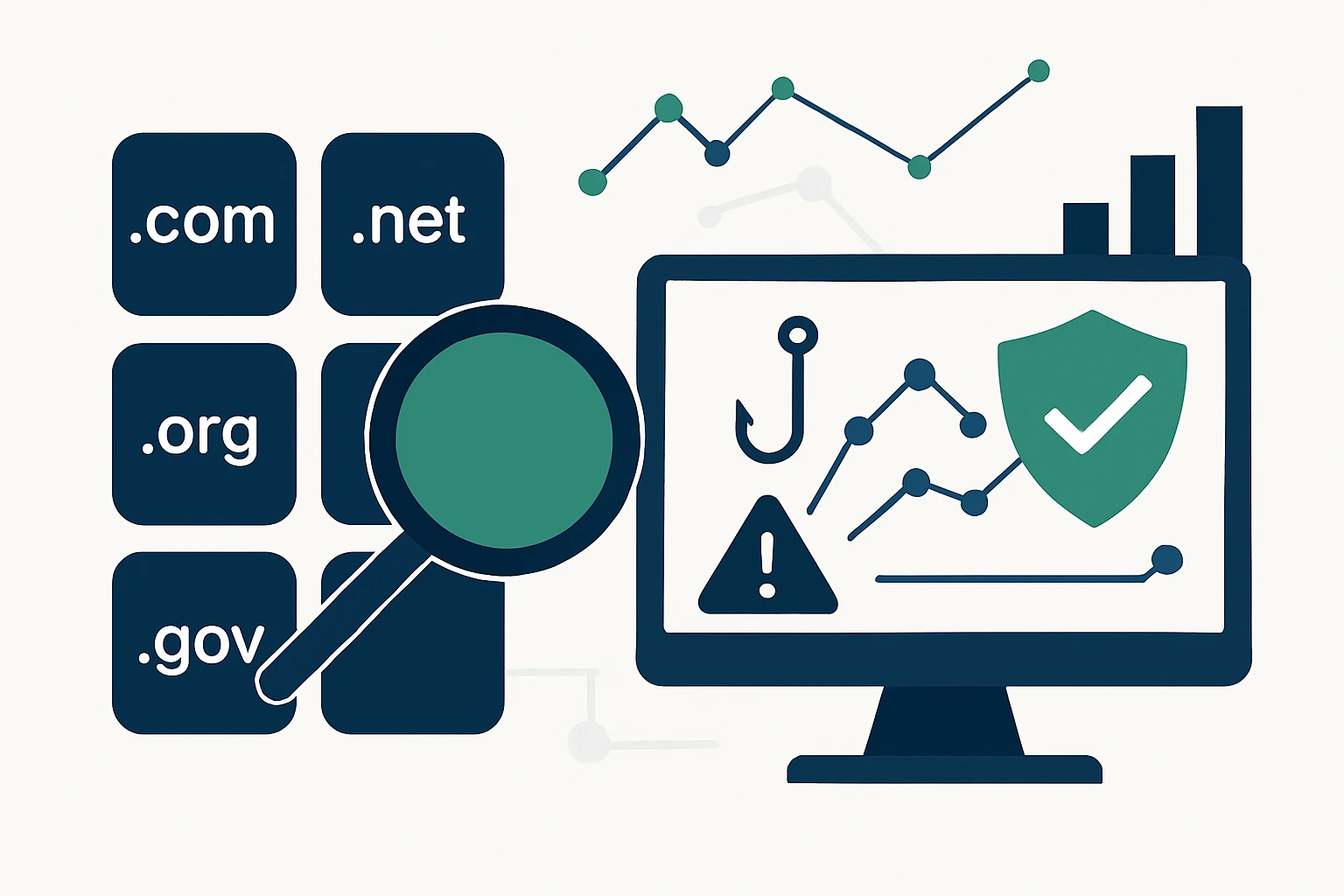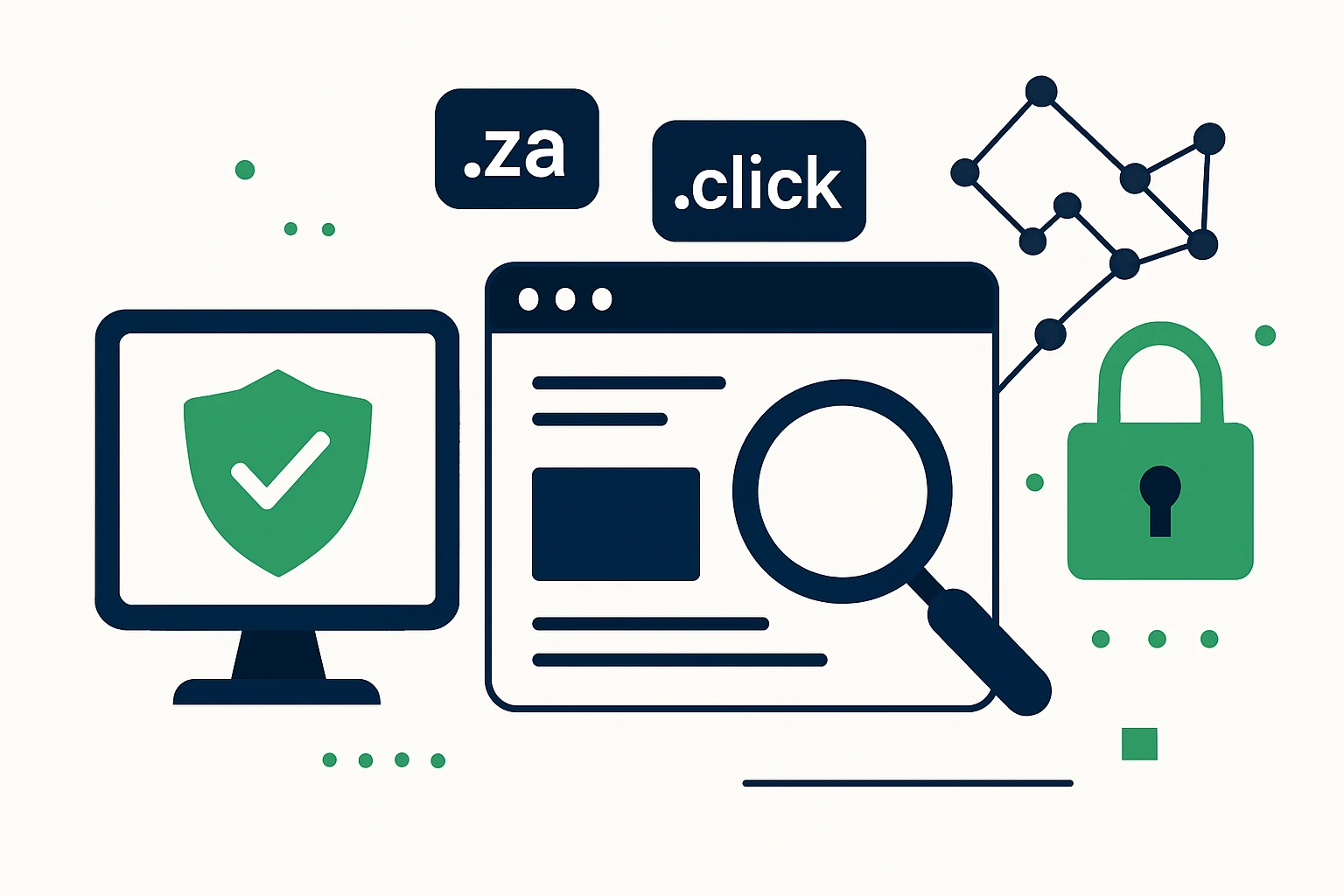
Introduction: Why domain lists belong in the digital risk intelligence toolkit
Digital risk intelligence is no longer a luxury for security teams, it is a core capability to proactively detect and combat threats across a brand’s entire digital footprint. Modern attackers rely on deception, using lookalike domains, spoofed brand identities, and infrastructure built on diverse top‑level domains (TLDs) to harvest credentials, spread misinformation, and siphon customer trust. In this evolving threat landscape, organizations that pair domain intelligence with brand protection and phishing defense gain a decisive advantage. Industry leaders describe digital risk protection as a multi‑layer approach that combines monitoring, takedown capabilities, and incident response to disrupt attackers before damage occurs. (crowdstrike.com)
Critical to this effort is the ability to source and normalize domain data from a range of TLDs - including country code TLDs (ccTLDs), internationalized domain names (IDNs), and brand TLDs - so threat hunters can identify early signals of compromise or impersonation. Security practitioners increasingly rely on threat intelligence platforms that surface fraudulent domains, notify stakeholders, and, where appropriate, coordinate takedown actions to protect customers and partners. (fiserv.com)
What domain lists bring to digital risk intelligence
Domain lists are a foundational data layer for phishing protection and brand monitoring. When teams have access to authentic, up‑to‑date inventories of registered domains, they can automate checks for typosquatting, lookalike domains, and infrastructure used to host malicious content. This enables faster triage of alerts, better risk scoring, and more precise responses - ranging from blocking traffic to supporting takedown actions. In practice, domain lists feed into workflows that cross‑check ownership (via RDAP/WHOIS data), identify related DNS records (MX, A/AAAA, TXT), and map these assets to brand risk signals across channels. (crowdstrike.com)
From a governance perspective, a structured approach to domain data helps align tech, legal, and incident response teams around a common view of the brand’s surface area. Vendors and researchers alike emphasize that domain intelligence works best when paired with other risk signals - brand monitoring across social and web channels, evidence of lookalike domains, and proactive takedown strategies. (zerofox.com)
Spotlight on three domain types: MX, AI, and Cyrillic (xn--p1ai) domains
While the open internet hosts a vast number of TLDs, three categories are particularly relevant for threat hunting and risk assessment due to their prevalence, linguistic reach, and potential for abuse:
- MX domains (the .mx ccTLD) are widely used by businesses and mail infrastructure in Mexico and beyond, understanding their registrations helps detect regional typosquatting and spoofed brands targeting Latin America and Spanish‑speaking audiences. The .mx delegation is recorded in the IANA root zone database, confirming its status as a recognized ccTLD and linking to the official WHOIS infrastructure. (iana.org)
- AI domains (the .ai TLD) have become popular with AI startups and technology brands, sometimes attracting speculative registrations that imitate established brands. Registry data and public zone lists for .ai enable analysts to monitor the namespace for potential impersonation or leakage of brand assets. (iana.org)
- Cyrillic internationalized domains (IDN) such as .рф (xn--p1ai) are used to reach Russian‑language audiences with native scripts. The punycode representation xn--p1ai is the ASCII form used on the DNS, making it essential to monitor both Unicode labels and ASCII representations for comprehensive brand protection. (iana.org)
For practitioners, monitoring these domains requires reliable data feeds that cover both the canonical TLD and its internationalized variant, along with the associated DNS records (MX, A/AAAA, TXT) that indicate how an attacker might host phishing pages or credential‑phishing infrastructure. The IANA root zone and delegation data verify these TLDs’ legitimacy and help frame risk boundaries for global monitoring initiatives. (iana.org)
How to use domain lists in a practical security workflow
Below is a practical workflow that shows how organizations can incorporate domain lists into their digital risk intelligence, especially when defending against phishing and brand impersonation. The steps are designed to be actionable, not theoretical, and to work with data sources (including client domain lists) in a repeatable cadence.
- Ingest and normalize data. Collect domain lists from trusted feeds (including the MX, AI, and Cyrillic TLD domains) and normalize them into a canonical schema. Normalize by punycode for IDN variants and store mappings between Unicode and ASCII representations to reduce false positives. This normalization supports cross‑reference with other risk signals (RDAP/WHOIS data, DNS records).
- Enrich with DNS and registration data. Append DNS records (MX, A/AAAA, TXT) and registration data (RDAP/WHOIS) to each domain. This enrichment helps distinguish benign registrations from suspicious activity (for example, new registrations that mirror a trusted brand and host phishing content). (iana.org)
- Cross‑match against brand signals. Compare domain registrations against your brand dictionary, product names, and executive names to flag typosquats or lookalikes. Integrate brand monitoring tooling to surface co‑occurrence patterns across the web and social channels. (zerofox.com)
- Monitor for lookalike infrastructure. Track infrastructure patterns used by phishing sites (e.g., same hosting providers, shared MX servers, or similar lexical features in domain labels). This helps identify coordinated campaigns that abuse specific TLDs or language scripts. (crowdstrike.com)
- Prioritize threat responses and takedowns. Use risk scores to decide which domains to investigate first, and when warranted, coordinate with appropriate takedown workflows. Brand protection vendors emphasize the value of rapid takedowns to disrupt impersonation campaigns and protect customers. (kroll.com)
- Close the loop with incident response. When a lookalike domain is identified, feed the incident response team with a clear artifact trail (domain, related DKIM/SPF records, historical ownership). This accelerates remediation and ensures customers are shielded from contact points used by attackers. (fiserv.com)
A practical data source for operators seeking ready‑to‑consume domain assets is WebAtla’s domain lists, which provide targeted feeds for TLD‑specific domains and related infrastructure. For example, MX domain lists and broader TLD aggregations are accessible via their MX and TLD pages, which can help security teams bootstrap a domain intelligence program. WebAtla MX domains and WebAtla: list of domains by TLDs. (webatla.com)
Why these three domain families matter for brand protection and phishing defense
Each of the three domain families discussed - MX, AI, and Cyrillic IDN domains - poses distinct opportunities and risks for attackers and defenders alike.
- MX domains. Because MX records point to mail servers, attackers often exploit them to host credential‑phishing pages or to misdirect communications that appear legitimate. Monitoring MX domain activity helps identify rapidly evolving phishing infrastructure and can support early detection of brand impersonation tied to mail campaigns.
- AI domains. The AI‑adjacent namespace is increasingly attractive to startups and tech brands. While this creates legitimate signaling opportunities, it also invites typosquatting attempts and brand mimicry that could mislead customers or partners. Proactive surveillance of .ai registrations lets security teams spot new registrations that echo your brand or product lines. (iana.org)
- Cyrillic IDN domains (.рф / xn--p1ai). IDN domains unlock native‑language reach but also enable multilingual phishing campaigns that evade simple ASCII checks. Monitoring both Unicode and punycode representations is essential to avoid blind spots in brand protection, especially for global audiences. (iana.org)
Across these domains, an integrated approach - combining domain intelligence with brand monitoring and incident response - helps organizations detect and disrupt phishing ecosystems before customers are affected. Industry practitioners stress that the most resilient defenses couple continuous monitoring with rapid response capabilities, including takedowns and brand protection workflows. (crowdstrike.com)
Limitations, trade‑offs, and common mistakes
Limitations and trade‑offs
Domain lists are powerful, but they are not a silver bullet. Some limitations to anticipate include:
- False positives and overblocking: Pure domain lists can flag legitimate registrations that happen to resemble a brand, potentially impeding legitimate outreach or partnerships if not triaged properly.
- Data completeness: No feed covers 100% of all domains in real time. Cross‑checking with WHOIS/RDAP data and DNS records is essential to maintain accuracy.
- Operational overhead: Enriching domain data with DNS records and brand signals requires tooling and disciplined processes to keep risk scores current and actionable.
- Jurisdictional and policy constraints: Takedown actions depend on local regulations and platform policies, a legal‑risk lens is necessary when deciding remediation steps.
Common mistakes to avoid
- Relying on a single feed: Relying on one data source can leave blind spots. A layered approach - domain lists combined with RDAP/WHOIS, DNS signal correlation, and brand monitoring - reduces gaps.
- Skipping IDN considerations: Failing to monitor both Unicode labels and their punycode equivalents can miss multilingual phishing efforts, especially with .рф and other IDN namespaces.
- Delayed response: Delayed takedown and remediation reduce the impact of prefix spoofing and brand impersonation. A defined playbook for incident response accelerates containment.
A structured framework for action
Here is a concise, implementation‑oriented framework you can adapt to your organization’s risk posture. It uses a single, repeatable cycle to turn domain data into proactive defense actions.
- Ingest Acquire domain lists across MX, AI, and IDN namespaces, and normalize Unicode and punycode representations into a unified catalog.
- Enrich Append DNS (MX, A/AAAA, TXT) and registration data (RDAP/WHOIS) to each domain to enable contextual risk scoring.
- Detect Run automated checks for lookalikes against brand terms, product names, and executive names, flag registrations with suspicious timing or hosting patterns.
- Decide Score domains by risk tier and potential brand impact, prioritizing those with high likelihood of phishing activity or impersonation.
- Disrupt Initiate takedown or containment actions per policy, coordinating with legal, platform, and registry partners as appropriate.
- Learn Post‑incident reviews to refine data feeds, adjust risk models, and close gaps in coverage.
Integrating the client’s domain data resources into this workflow
The client’s domain intelligence assets provide targeted, up‑to‑date domain lists by TLD, which fit neatly into the ingest and enrich stages of the workflow. For teams building a practical operational program, these feeds can be used to bootstrap and accelerate early warning signals. For example, the MX‑focused feed can help security teams monitor regional phishing infrastructure, while the broader TLD directory supports cross‑domain risk mapping. WebAtla MX domains and WebAtla: list of domains by TLDs. In addition, RDAP and WHOIS data can be layered on top of the domain lists to verify ownership and registration histories as part of a remediation decision. RDAP & WHOIS Database. (kroll.com)
Expert insight: why domain intelligence matters in brand protection today
Industry observers repeatedly note that a robust digital risk protection program must combine domain intelligence with proactive brand monitoring and takedown capabilities. In practice, platforms that blend these components help security teams detect and disrupt phishing campaigns quickly, reducing customer exposure to fraud and protecting long‑term brand value.
As CrowdStrike and other threat intelligence leaders argue, blocking or taking down fraudulent domains is a key lever in reducing phishing and brand impersonation risks, especially when this is paired with identity protection and broader threat monitoring. (crowdstrike.com)
Conclusion: building a resilient defense with domain lists and digital risk intelligence
In a threat landscape where attackers increasingly weaponize domain infrastructure to stage phishing campaigns, a disciplined approach to domain data is essential. By combining MX, AI, and Cyrillic (IDN) domain lists with DNS and registration data, security teams can detect lookalike domains earlier, map potential brand exposure across languages and regions, and respond decisively with takedown and remediation actions. The result is not only faster incident response but also stronger brand trust and customer protection across the digital ecosystem. For organizations looking to accelerate their program, trusted domain intelligence feeds - such as those provided by the client - can serve as a practical foundation to scale proactive defenses in concert with brand monitoring and incident response capabilities.